
How Much Does a PI License Cost? Fees by State (2026)
PI License Costs Range From $10-$500 Plus Training And Exam Fees. Complete 2026 State-By-State Breakdown Of Private Investigator Licensing Expenses. Learn More Today.
State-by-State Application and Licensing Fee Comparison
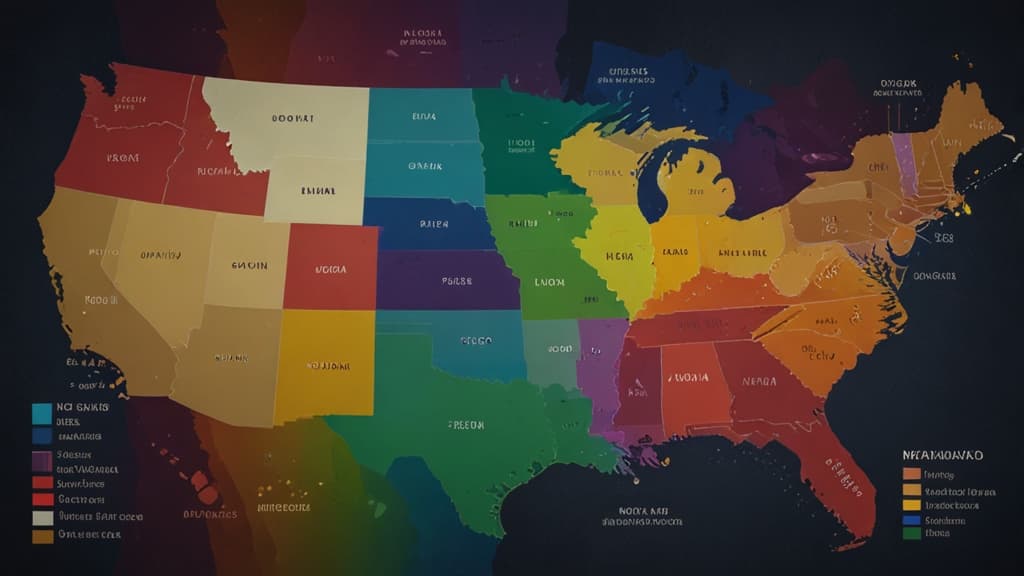
Private investigator licensing fees vary dramatically across states, with costs ranging from as low as $10 in Maryland to $500 in high-regulation states like New York and Nevada. Understanding these differences helps you budget accurately for your licensing investment and choose the most cost-effective path to certification.
Florida operates on a tiered system that reflects experience levels. A Class CC intern license costs $612.75 to $652.75, while the standard Class C license runs $302.75 to $342.75. Washington State takes a middle-ground approach at $220 for unarmed investigators, with an additional $110 fee if you want armed certification.
Some states like Oregon require specific training before licensing, which affects your total investment timeline. New York's $500 application fee might seem steep, but it includes comprehensive background screening that other states charge separately. Maryland's $10 fee appears attractive until you factor in additional requirements and renewal costs.
Smart applicants research private investigator license requirements thoroughly before choosing their licensing state. Consider reciprocity agreements if you plan to work across state lines - paying higher fees in one state might save money long-term if that license transfers to other jurisdictions where you'll operate your business.
Training Programs and Certification Investment Requirements
Before diving into licensing applications, you'll need to invest in proper training and certification programs. Most states don't require formal education, but completing a private investigator training program significantly improves your chances of passing certification exams and building credible skills.
Training costs typically range from $400 to $1,100 depending on format and depth. Online programs offer the most affordable option at $400-600, while in-person academies can reach $1,100 for comprehensive courses. These programs cover surveillance techniques, legal procedures, report writing, and ethics - essential knowledge for both licensing exams and real-world investigations.
Certification fees add another $100-200 to your budget, separate from the training itself. Some programs bundle certification with coursework, while others charge separately. The certification validates your completion and often serves as proof of training when applying for your license.
Consider the time investment alongside costs - most programs require 3-6 months of part-time study. If you're transitioning careers, factor in potential lost income during this period. However, professional investigators often find that quality training pays dividends through higher client confidence and better case outcomes. For detailed guidance on meeting your state's specific requirements, review the comprehensive licensing requirements breakdown to ensure your chosen program aligns with local regulations and examination standards.

Background Checks, Fingerprinting, and Examination Expenses
Your licensing journey requires several mandatory security screenings that add significant costs to the process. Background checks typically run $35-75 per applicant, while fingerprinting services add another $50-90 depending on your state's requirements. These aren't optional expenses - every state mandates thorough vetting before issuing PI credentials.
Fingerprinting costs vary dramatically by location and processing speed. New York charges $88.50 for digital fingerprinting through their approved vendors, while Florida's requirements can cost up to $65. Some states allow you to use local police departments for cheaper processing, but expect longer wait times that could delay your licensing timeline.
Written examinations represent another unavoidable expense in your licensing budget. New York's licensing exam costs just $15, making it one of the most affordable in the nation. Florida charges $63 for their examination, while other states can charge up to $150. The exam fee is separate from study materials, which can add $100-300 if you choose prep courses or official study guides.
Multiple background checks might be required if you're applying for additional endorsements or armed licenses. Washington State, for example, requires separate background screenings for armed and unarmed licenses, effectively doubling your vetting costs. Factor in potential re-examination fees if you don't pass on the first attempt - most states charge the full exam fee for retakes. Understanding the complete licensing process helps you budget for these mandatory security expenses upfront.

Ongoing Renewal Costs and Additional Business Requirements
Your PI license isn't a one-time expense - renewal fees create ongoing costs that vary dramatically by state. New York charges $500 every three years, while Washington requires $193 every two years for both armed and unarmed licenses. Missing renewal deadlines triggers penalty fees, like New York's additional $100 late fee that compounds your costs.
Operating a PI business introduces additional financial requirements beyond basic licensing. Most states mandate surety bonds ranging from $5,000 to $25,000, with annual premiums typically costing 1-3% of the bond amount. California's licensing requirements exemplify these comprehensive business obligations that extend far beyond initial certification.
Professional liability insurance becomes essential once you start accepting clients, with annual premiums ranging from $800 to $2,500 depending on your coverage limits and specialization areas. Some states require proof of insurance before license renewal, making this a mandatory rather than optional expense.
Branch office operations multiply your costs significantly. Each additional location requires separate licensing fees - New York charges $500 per branch office application. If you're planning to expand your PI business, factor in these multiplied licensing costs early in your preparation process. Business registration fees, continuing education requirements, and equipment updates also contribute to your annual operating expenses, typically adding $1,000-3,000 to your yearly business costs beyond basic license renewals.