
Photography Techniques for Surveillance Investigations
Professional surveillance photography combines specialized telephoto lenses, concealed camera systems, and infrared technology to capture admissible evidence from distances of 100-500 feet while maintaining complete discretion. Licensed investigators typically use equipment costing $2,000-15,000 and must follow strict authentication protocols to ensure photographs remain legally valid in court proceedings.
Specialized Camera Equipment and Concealment Technologies
Professional surveillance photography relies heavily on specialized camera equipment designed for covert operations. Telephoto lenses remain the cornerstone of surveillance work, allowing investigators to capture clear images from distances of 100+ feet while maintaining complete concealment. Modern telephoto systems can achieve 600mm focal lengths with image stabilization, ensuring sharp documentation even in challenging conditions.
Concealment technologies have evolved dramatically with miniaturization advances. Right-angle mirror attachments like the Cambron Super Snooper enable photographers to shoot at 90-degree angles, making subjects believe they're being photographed in a completely different direction. Body-worn cameras disguised as buttons, pens, or eyeglasses provide hands-free documentation while maintaining natural behavior patterns.
Low-light capabilities define professional surveillance cameras, with high-ISO sensors capturing usable images in near-darkness without flash. Infrared-capable cameras document activity during nighttime operations, while drone-mounted systems provide aerial perspectives impossible with traditional ground-based techniques. Remote trigger systems allow photographers to operate cameras from concealed positions, eliminating camera shake and reducing detection risk.
Hidden camera integration reaches remarkable sophistication in 2026, with devices embedded in everyday objects like coffee cups, briefcases, and vehicle dashboards. These systems often feature wireless transmission capabilities, allowing real-time monitoring from secure locations. Professional investigators typically maintain multiple camera setups simultaneously, ensuring comprehensive coverage while providing backup options if primary equipment fails or becomes compromised during extended surveillance operations.
Advanced Telephoto and Right-Angle Photography Methods
Telephoto lenses serve as the cornerstone of covert surveillance photography, enabling investigators to capture detailed images from distances exceeding 200 feet. Professional investigators typically employ 200-400mm telephoto lenses for urban environments, while rural surveillance may require 600mm or longer focal lengths. The key advantage lies in maintaining subject anonymity while documenting critical evidence from concealed positions.
Right-angle mirror accessories revolutionize surveillance capabilities by allowing photographers to capture images at 90-degree angles from their apparent shooting direction. The Cambron Super Snooper and similar devices attach to standard camera lenses, creating the illusion that investigators are photographing something entirely different. This technique proves invaluable during insurance fraud investigations, where subjects might recognize direct surveillance but remain unaware of perpendicular documentation.
Modern telephoto surveillance demands image stabilization technology to counteract camera shake at extreme focal lengths. Professional investigators combine optical stabilization with proper breathing techniques and braced shooting positions to achieve sharp results. Many surveillance specialists utilize tripods with quick-release mechanisms hidden within everyday objects like shopping bags or briefcases.
Effective telephoto surveillance requires understanding atmospheric conditions that affect image quality. Heat distortion, humidity, and air pollution significantly impact clarity at distances beyond 300 feet. Experienced investigators schedule critical documentation during optimal lighting conditions, typically early morning or late afternoon when atmospheric interference is minimal. The combination of proper timing, quality optics, and strategic positioning enables investigators to gather compelling photographic evidence while maintaining complete operational security throughout their surveillance activities.
Low-Light and Night Vision Capture Strategies
Professional investigators rely on specialized low-light photography techniques to capture clear evidence during nighttime operations or in dimly lit environments. Modern surveillance cameras equipped with high ISO capabilities and fast aperture lenses enable effective documentation without alerting subjects through visible flash or lighting.
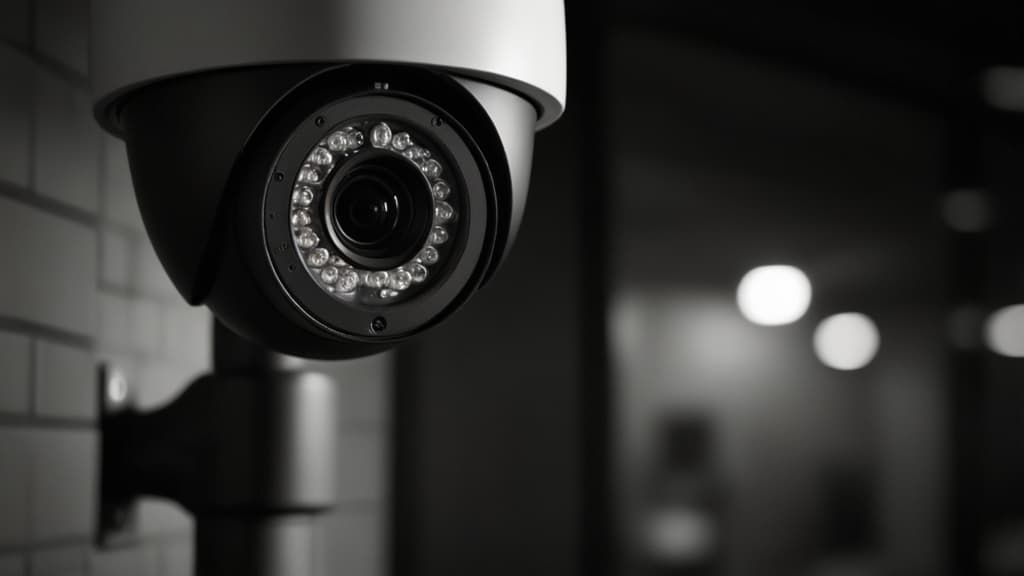
Infrared photography represents a cornerstone technique for covert nighttime surveillance. Professional-grade cameras modified for infrared capture can document activity in complete darkness using invisible IR illumination. These systems produce clear black-and-white images that reveal facial features and actions while remaining completely undetectable to subjects. Many surveillance investigators combine infrared capabilities with traditional low-light sensors for maximum versatility.
Image stabilization becomes critical during extended low-light surveillance operations. Professional investigators use tripods with remote triggers or image-stabilized telephoto lenses to eliminate camera shake during long exposures. Fast shutter speeds paired with high ISO settings capture sharp images of moving subjects without blur, even in challenging lighting conditions.
Night vision technology extends beyond traditional photography into digital enhancement systems. Thermal imaging cameras detect heat signatures through complete darkness, while digital night vision scopes amplify available light sources like streetlights or moonlight. These tools allow private investigators to maintain continuous surveillance regardless of lighting conditions. Professional operators often employ multiple capture methods simultaneously, ensuring comprehensive documentation that meets legal standards for evidence admissibility while maintaining the stealth necessary for effective covert operations.
Legal Compliance and Evidence Authentication Standards
Professional surveillance photography operates under strict legal frameworks that vary by jurisdiction but share common principles regarding privacy rights and admissible evidence. Private investigators must understand federal wiretapping laws, state privacy statutes, and local ordinances before conducting any photographic surveillance. Most jurisdictions permit photography in public spaces where subjects have no reasonable expectation of privacy, but restrictions apply to private property and residential areas.
Evidence authentication requires maintaining an unbroken chain of custody from capture to courtroom presentation. Investigators must document camera settings, timestamps, GPS coordinates, and environmental conditions for each photograph. Digital images need metadata preservation and hash verification to prove authenticity. Any photo editing or enhancement must be disclosed and documented, as courts increasingly scrutinize digital evidence for manipulation.
Professional investigators follow strict protocols for evidence handling and storage. Original files remain untouched on secure servers with backup systems, while working copies receive clear labeling and version control. Court-admissible photographs require proper foundation testimony explaining the circumstances of capture, equipment used, and photographer qualifications. Many investigators obtain certification in digital forensics to strengthen their credibility when presenting photographic evidence.
Compliance extends beyond legal requirements to ethical considerations within the investigation industry. Professional associations establish guidelines for appropriate surveillance methods, client consent procedures, and subject privacy protection. Investigators who understand these surveillance services standards protect both their clients' interests and their own professional licensing. Regular training on evolving privacy laws and digital evidence standards ensures continued compliance in this rapidly changing legal landscape.
Frequently Asked Questions
What professional photography techniques for surveillance do private investigators use to capture evidence discreetly?
Private investigators employ specialized telephoto lenses, right-angle viewfinders, and concealed camera systems to document subjects from safe distances without detection. They utilize advanced stabilization equipment and silent shooting modes to maintain stealth while ensuring photographic quality meets legal evidence standards. Professional investigators also master positioning techniques that leverage natural cover and architectural features to remain unobserved during surveillance operations.
What type of camera equipment do surveillance professionals use for covert documentation?
Surveillance professionals typically use high-resolution DSLR or mirrorless cameras equipped with telephoto lenses ranging from 200-600mm for distant subject capture. They often employ specialized concealment gear including camera hides, right-angle viewfinders, and silent shutter systems to avoid detection. Many investigators also utilize compact action cameras and smartphone attachments for situations requiring maximum discretion and mobility.
How do private investigators capture clear surveillance photos in low-light conditions?
Professional investigators use cameras with high ISO capabilities, fast aperture lenses, and image stabilization technology to capture clear photos in challenging lighting conditions. They often employ infrared photography techniques and specialized night vision equipment when traditional photography methods prove insufficient. Advanced post-processing techniques help enhance image quality while maintaining the authenticity required for legal evidence.
Are surveillance photographs taken by private investigators legally admissible in court?
Surveillance photographs can be legally admissible when private investigators follow proper evidence collection protocols and operate within legal boundaries regarding privacy expectations. Professional investigators maintain detailed chain of custody documentation, timestamp verification, and metadata preservation to ensure photographic evidence meets court standards. The admissibility often depends on where the photos were taken, with public spaces generally providing more legal protection than private property surveillance.
What professional photography techniques help surveillance investigators avoid detection?
Experienced investigators use techniques such as shooting from concealed positions, utilizing natural camouflage, and employing telephoto lenses to maintain significant distance from subjects. They practice silent operation methods, avoid flash photography, and time their documentation during periods when subjects are less likely to notice camera activity. Professional surveillance photographers also master the art of blending into environments and using reflective surfaces or obstacles to obscure their presence.
How much does professional surveillance photography cost when hiring a private investigator?
Professional surveillance photography services typically range from $75-150 per hour depending on the complexity of the case, equipment requirements, and geographic location. Specialized surveillance operations requiring advanced telephoto equipment or extended monitoring periods may command higher rates due to the technical expertise involved. Most private investigators provide detailed cost estimates that include equipment usage, travel time, and post-processing work required for evidence preparation.
What should clients expect from professional surveillance photography documentation?
Clients can expect high-resolution images with clear timestamps, detailed location information, and comprehensive documentation of observed activities or behaviors. Professional investigators provide organized photo reports with contextual descriptions, technical metadata, and proper evidence handling procedures that support potential legal proceedings. The documentation typically includes both wide-angle establishing shots and detailed close-up images that clearly identify subjects and capture relevant evidence.