
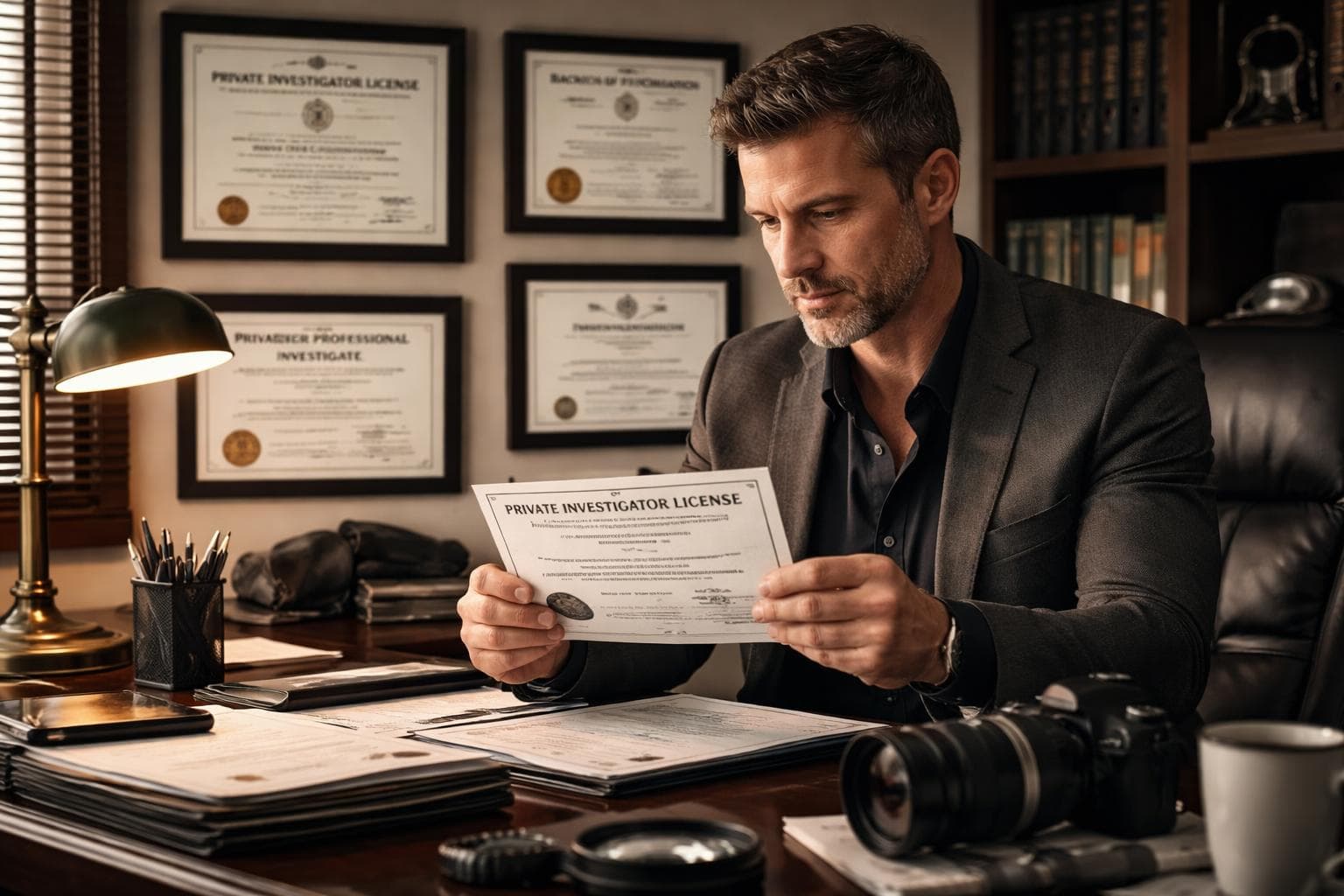
What Credentials Should a Private Investigator Have?
Professional investigators must obtain state licensing (required in 40+ states), complete background checks, and demonstrate 2,000-6,000 hours of investigative experience, with many also pursuing specialized certifications like CLI or PCI to enhance their credibility and expertise.
State Licensing Requirements and Legal Compliance
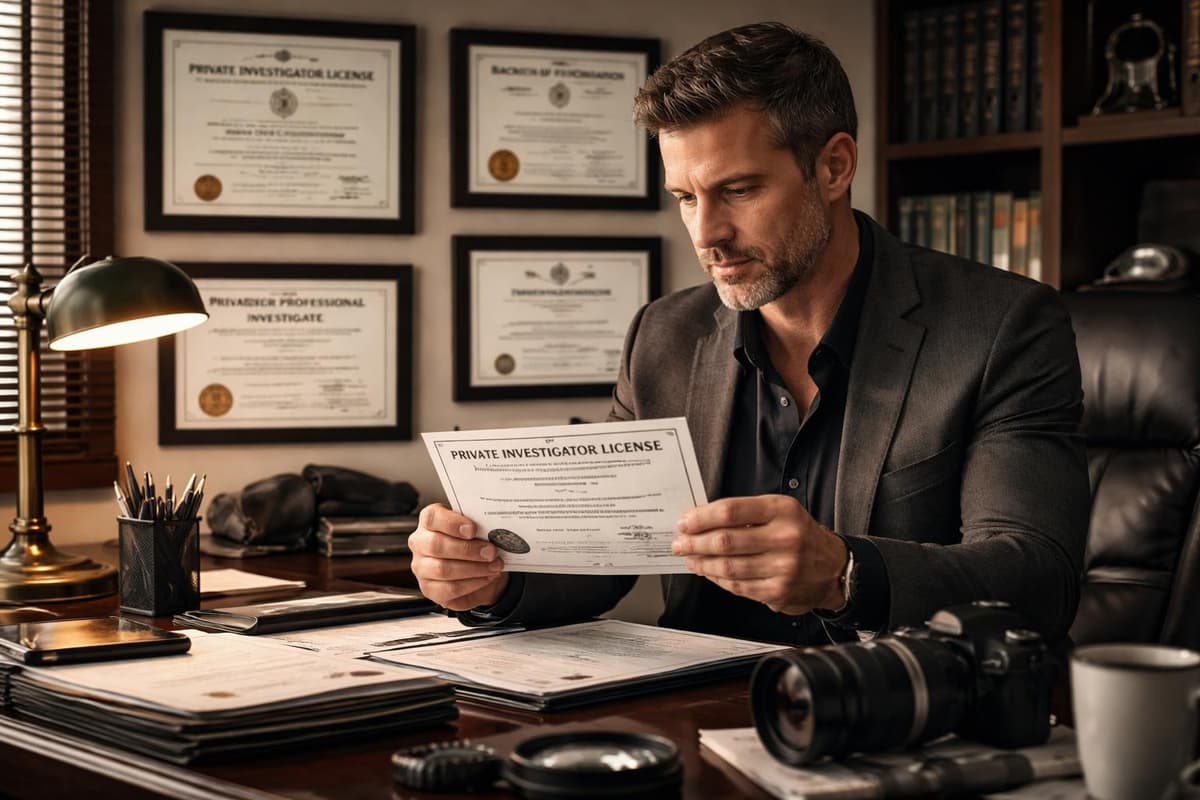
State licensing requirements form the foundation of legitimate private investigation work. More than 40 states and the District of Columbia mandate licensing for private investigators, though requirements vary significantly depending on where professionals operate. Understanding these regulations is essential when evaluating what credentials should a private investigator have, as they directly impact both the investigator's qualifications and your confidence in their legitimacy.
Most states require investigators to meet several core standards before obtaining a license. These typically include a minimum age (usually 18-25 years old), a clean criminal background check with fingerprinting, and proof of investigative experience. California, for example, requires three years of compensated investigative work totaling 6,000 hours, while Indiana mandates at least two years or 4,000 hours with a licensed agency for those opening solo operations. Many states also require applicants to pass written examinations covering relevant laws and regulations.
Additional compliance measures often include bonding requirements—commonly a $10,000 individual bond—and continuing education for license renewal, typically occurring every one to two years. Some states accept higher education as a substitute for portion of required experience; a bachelor's degree often credits 2,000 hours while an associate degree credits 1,000 hours. For detailed information about specific requirements in your area, professional licensing resources provide state-by-state guidance.
When hiring local private investigation services, verify that professionals maintain current licenses and meet all legal compliance standards in your jurisdiction. This verification protects both you and ensures the investigator operates within proper legal boundaries. Learn more about how licensing requirements establish professional credibility in the investigation industry.
Educational Background and Degree Preferences
While a high school diploma or GED typically serves as the minimum educational requirement to become a private investigator, professionals who pursue higher education significantly enhance their career prospects and earning potential. Many states recognize that formal education can substitute for a portion of the required investigative experience, making a degree a smart investment for those entering the field.
A bachelor's degree in criminal justice, legal studies, police science, criminology, or forensic science provides an excellent foundation for investigative work. These programs teach the laws and practices that govern investigations, along with practical techniques professionals use in the field. Some states, like California, allow a bachelor's degree to credit applicants with 2,000 hours toward their experience requirement, while an associate degree typically credits 1,000 hours. This means earning a degree can shorten the path to licensure by months or even years.
Beyond general criminal justice programs, specialized degrees offer distinct advantages depending on the type of investigation work. Corporate investigators benefit from business administration or MBA credentials, while those focusing on legal matters may pursue law degrees. Backgrounds in psychology, forensic science, or business administration also strengthen an investigator's ability to handle complex cases. Strong computer skills developed during degree programs are essential, as modern investigations heavily rely on digital data gathering and analysis.
When considering hiring a private investigator, clients should verify educational credentials alongside licensing requirements. Understanding state-specific regulations helps ensure what credentials should a private investigator have before taking on your case.

Professional Certifications and Specialized Training
While state licensing forms the foundation, professional certifications elevate a private investigator's credibility and expertise in specialized areas. These credentials aren't mandatory for licensure in most states, but they demonstrate mastery of investigative techniques and commitment to ethical standards that clients value highly.
The Certified Legal Investigator (CLI) credential, offered by the National Association of Legal Investigators, stands as one of the most respected certifications in the field. To earn this designation, professionals need five years of legal investigative experience or a combination of experience and college education, plus they must pass a comprehensive exam and submit a white paper demonstrating their expertise. This certification particularly benefits those focusing on negligence or criminal defense cases, where specialized knowledge of legal procedures proves essential.
The Professional Certified Investigator (PCI) credential requires 3-5 years of investigative experience with at least two years in case management. Candidates must pass a rigorous 140-question exam covering case management, information gathering, and case presentation skills. These certifications signal to potential clients that a professional has invested in advanced training and maintains current knowledge of investigative best practices.
Beyond formal certifications, specialized training in digital forensics, surveillance techniques, and cyber investigation has become increasingly valuable. Many professional investigators in the area pursue additional coursework in these emerging fields. For those seeking to hire a private investigator, certifications provide assurance that professionals maintain current expertise. Industry standards continue evolving, making ongoing professional development essential for maintaining competitive advantage in this field.
Experience Requirements and Background Verification
Most states require investigators to have substantial hands-on experience before earning credentials. California, for example, mandates three years of compensated investigative work—roughly 6,000 hours—with agencies like law enforcement, insurance companies, or licensed investigation firms. This requirement ensures professionals understand real-world investigative techniques before operating independently.
Experience can come from diverse backgrounds. Work in collection agencies, banks, courts, or even security positions counts toward licensing requirements in many jurisdictions. Some states, like Indiana, require a minimum of two years or 4,000 hours specifically with a licensed private investigation agency to open a solo practice. The key is documenting this experience through employment records and supervisor verification.
Background verification represents a non-negotiable credential requirement. Nearly every state demands a clean criminal record, with felony convictions typically disqualifying applicants permanently. Investigators undergo fingerprinting and comprehensive criminal history reviews during the licensing process. Beyond criminal history, licensing boards examine financial responsibility, ethical judgment, and overall character—they're assessing whether someone can be trusted with sensitive investigations and client confidentiality.
Understanding what credentials should a private investigator have means recognizing that experience and background checks work together. Professional education programs often help candidates document their investigative background strategically. When considering background check requirements, applicants should maintain detailed records of their investigative work, supervisor contacts, and case involvement to streamline the licensing process.
Frequently Asked Questions
What credentials should a private investigator have to legally operate in 2026?
Professional investigators must obtain state licensing as their primary legal requirement, which typically involves passing background checks and meeting specific training hours. Most states also require investigators to carry liability insurance and maintain continuing education credits. Educational backgrounds in criminal justice, law enforcement, or related fields strengthen their qualifications significantly.
Do private investigators need a college degree to get licensed?
While most states don't legally require a college degree for licensing, many successful investigators hold degrees in criminal justice, law enforcement, or related fields. Some states may reduce required training hours for applicants with relevant education. Clients often prefer investigators with formal education as it demonstrates commitment to professional standards.
What professional certifications make a private investigator more qualified?
The most respected certifications include Certified Legal Investigator (CLI) from NALI and Professional Certified Investigator (PCI) from ASIS International. These certifications require extensive experience, continuing education, and passing rigorous examinations. Specialized certifications in areas like computer forensics or surveillance techniques also enhance an investigator's credentials.
How much experience should a qualified private investigator have?
Most licensing boards require 2-4 years of investigative or law enforcement experience before granting a license. Experienced investigators often have backgrounds in police work, military intelligence, or corporate security. Clients should look for investigators with at least 3-5 years of experience in their specific area of need.
What background checks do private investigators undergo for their credentials?
Professional investigators must pass comprehensive criminal background checks at both state and federal levels during the licensing process. Many states also require fingerprinting and credit checks to ensure financial responsibility. These background verifications are typically renewed every 2-3 years to maintain active licensing status.
Are there different credential requirements for different types of private investigation work?
Yes, specialized investigation areas often require additional certifications beyond basic licensing. Computer forensics investigators need technical certifications, while insurance fraud specialists may require specific training programs. Some states have separate licensing categories for different types of investigative work, each with unique credential requirements.
How can clients verify a private investigator's credentials and qualifications?
Clients should verify licensing through their state's regulatory board website, which typically provides online license lookup tools. Professional certifications can be confirmed directly with issuing organizations like NALI or ASIS International. Reputable investigators willingly provide license numbers and certification details for verification purposes.