
Strategic Positioning and Vantage Point Selection for Maximum Coverage
Selecting the right vantage point determines the success or failure of any stationary surveillance operation. We analyze multiple factors when choosing our observation positions, starting with clear sight lines to all entry and exit points of the target location. The ideal position provides unobstructed views while keeping our team concealed from the subject's line of sight.
Elevation offers significant advantages in most scenarios. We often utilize second-story windows, parking garages, or hillside positions that allow us to monitor larger areas without detection. A raised position also helps us capture better photographic evidence and reduces the risk of our surveillance techniques being compromised by pedestrian traffic or vehicle movement.
Environmental factors play a crucial role in our positioning strategy. We consider lighting conditions throughout the day, weather patterns, and seasonal changes that might affect visibility. Natural cover like trees, buildings, or landscaping features help maintain concealment while providing strategic advantages. Our team also evaluates escape routes and alternative positions before beginning any operation.
Distance calculations ensure we maintain effective surveillance without detection. Too close risks exposure, while excessive distance compromises our ability to gather useful intelligence. We typically establish primary and secondary positions, allowing us to adapt if circumstances change. Modern surveillance technology enables us to monitor from greater distances while maintaining evidence quality, but strategic positioning remains the foundation of successful stationary surveillance operations.

Technology Integration and Equipment Setup for Enhanced Monitoring
Modern surveillance technology transforms how we approach stationary operations, and our equipment setup can make or break an investigation. We integrate high-resolution cameras with night vision capabilities, allowing us to capture clear footage even in challenging lighting conditions. Our standard kit includes dash-mounted cameras with 4K recording, body-worn devices for close observations, and long-range telephoto lenses that maintain subject clarity from distances exceeding 500 feet.
GPS tracking devices play a crucial role when legally permissible, providing real-time location data that complements our visual surveillance. We use encrypted communication systems to coordinate between team members without compromising our position. Professional investigators understand that backup power sources and redundant recording systems prevent critical evidence loss during extended operations.
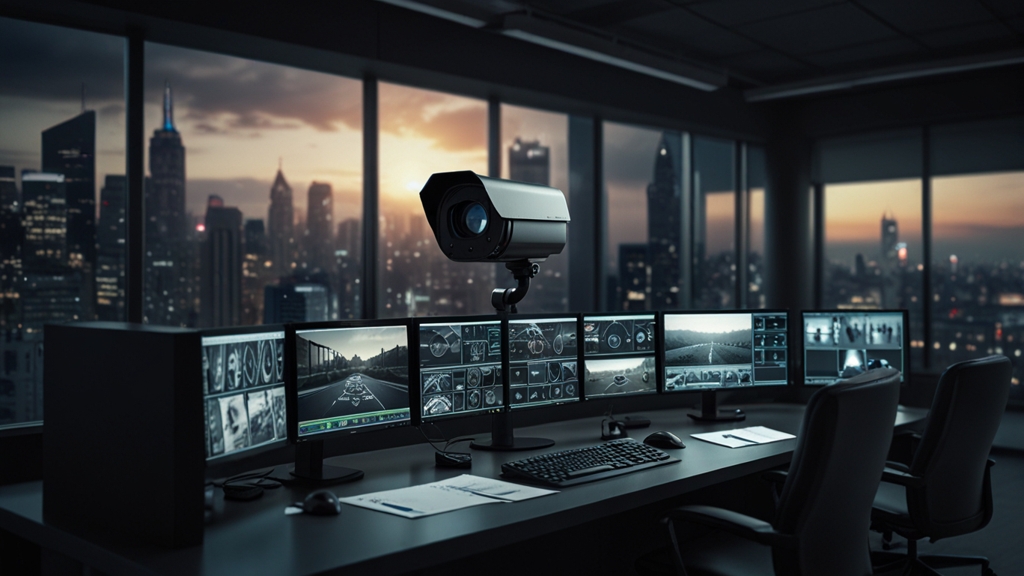
Digital integration streamlines our documentation process significantly. We employ specialized software that timestamps all recordings and creates searchable databases of subject activities. Our mobile command units feature multiple monitor displays, allowing simultaneous observation of several camera angles while maintaining detailed logs. Security systems in commercial settings often require coordination with existing infrastructure.
Drone technology adds aerial perspectives that traditional ground-based surveillance cannot achieve. We deploy drones equipped with thermal imaging for nighttime operations and use them to cover large areas or difficult terrain. Advanced surveillance techniques require proper equipment calibration before deployment, ensuring all devices sync correctly and maintain consistent recording quality throughout the operation.

Documentation Standards and Evidence Collection Protocols
Our documentation protocols follow strict evidentiary standards that ensure surveillance findings hold up in legal proceedings. We maintain detailed logs with precise timestamps, locations, and descriptions of all observed activities. Every entry includes weather conditions, lighting, and environmental factors that might affect evidence quality or interpretation.
Digital evidence requires meticulous chain of custody procedures. We photograph and video stamp all recordings with date, time, and GPS coordinates embedded in the metadata. Our team uses multiple backup storage systems and creates immediate duplicates of all footage. For instance, when documenting a subject's routine departure at 8:15 AM, we record not just the time but also vehicle details, passenger information, and direction of travel.
Physical evidence documentation demands equal precision. We photograph surveillance positions before and after operations, documenting any equipment placement or environmental changes. Written reports include detailed subject descriptions, clothing, accessories, and behavioral patterns. Modern surveillance guidelines emphasize the importance of maintaining professional standards throughout evidence collection.
Quality control measures include supervisor review of all documentation within 24 hours of collection. We cross-reference multiple evidence sources - video, audio, written observations, and photographic records - to ensure consistency. Our surveillance equipment automatically syncs timestamps across devices, eliminating discrepancies that could compromise evidence integrity. This systematic approach protects both our clients' interests and ensures our findings meet courtroom admissibility standards.
Legal Compliance and Ethical Considerations in Surveillance Operations
We operate within strict legal frameworks that govern surveillance activities, ensuring every investigation complies with federal and state privacy laws. The Fourth Amendment protects individuals from unreasonable searches, requiring us to obtain proper authorization before conducting surveillance in certain circumstances. We never place tracking devices on vehicles without legal justification or court orders, and we maintain clear boundaries when observing private property.
Our team follows established ethical guidelines that go beyond legal requirements, respecting subject privacy while gathering necessary evidence. We avoid surveillance in areas where individuals have reasonable expectations of privacy, such as homes, medical facilities, or attorney offices. When conducting stationary surveillance, we position ourselves on public property and use only methods that comply with local ordinances and professional standards.
Documentation plays a crucial role in maintaining legal compliance throughout our operations. We keep detailed logs of surveillance locations, times, and methods used, ensuring our evidence collection meets courtroom standards. Our investigators receive ongoing training on privacy laws and constitutional limitations, staying current with evolving regulations that affect surveillance practices.
Client consultation includes thorough discussions about legal boundaries and potential limitations before beginning any surveillance operation. We explain what evidence can be legally obtained and how it may be used in legal proceedings. This transparency protects both our clients and our professional practice while ensuring all surveillance activities serve legitimate investigative purposes within established legal parameters.