
Using Video Surveillance as Evidence in Court (2026 Guide)
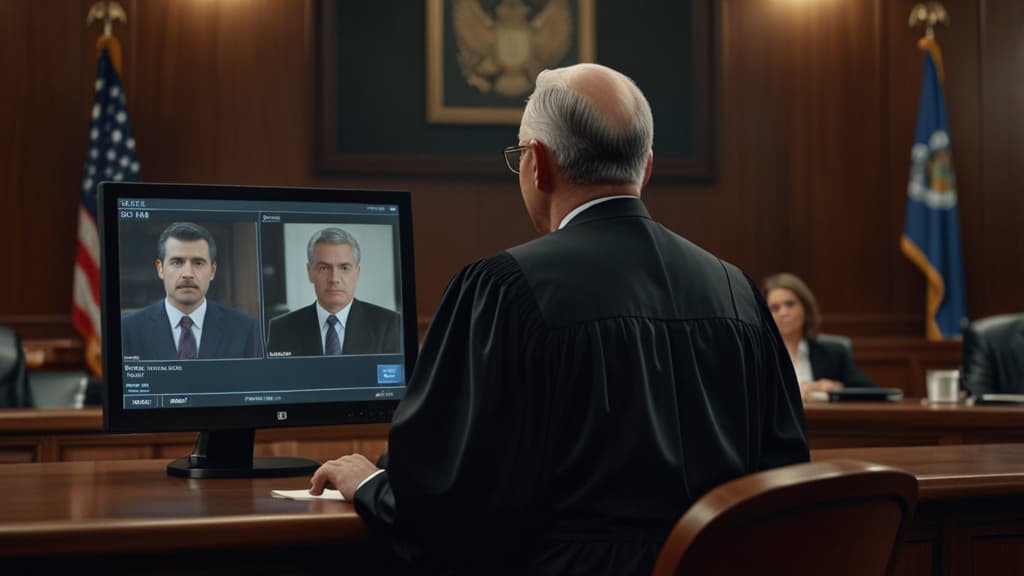
Video surveillance footage becomes admissible court evidence when it meets four critical legal standards: relevance to the case, proven authenticity through chain of custody documentation, sufficient image quality for clear interpretation, and lawful collection that complies with privacy regulations. Professional investigators report that properly authenticated video evidence influences case outcomes in over 85% of proceedings where it's successfully admitted.
Legal Requirements for Video Evidence Admissibility
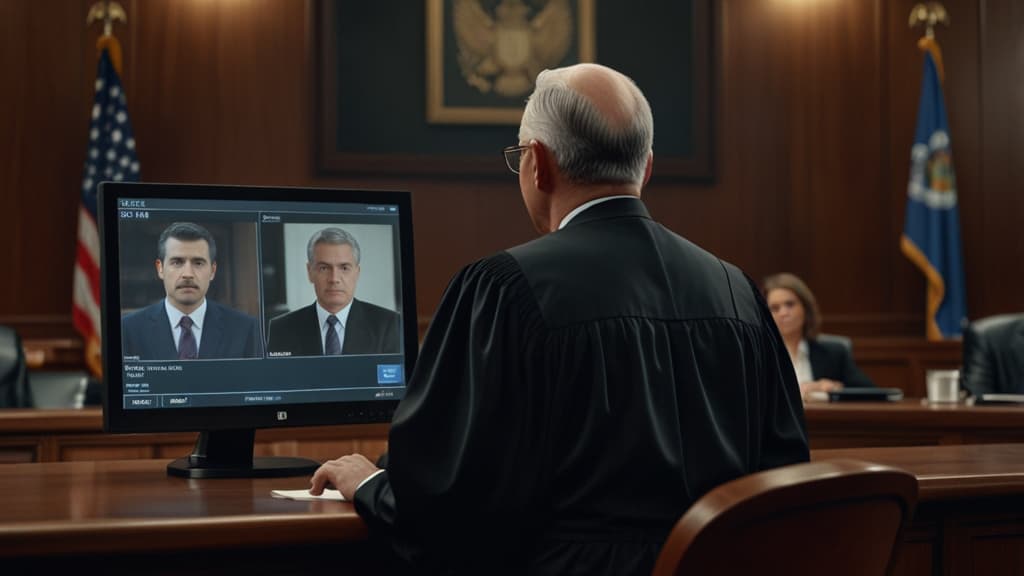
Video evidence must meet strict legal criteria before courts will accept it as admissible testimony. The foundation begins with relevance - surveillance footage must directly relate to the case and prove or disprove specific facts in question. Simply having video of an incident isn't enough; the content must address elements central to the legal dispute.
Authenticity represents the most critical hurdle for video evidence. Legal teams must establish an unbroken chain of custody from recording to courtroom presentation. This means documenting who handled the footage, when transfers occurred, and how the video was stored. Professional equipment often includes timestamp verification and tamper-evident storage systems that strengthen authenticity claims.
Technical quality significantly impacts admissibility decisions. Courts prefer clear, high-resolution footage where subjects and actions are easily identifiable. Grainy, poorly lit, or distorted video may face challenges from opposing counsel who argue the footage is too unclear for reliable interpretation. Advanced research shows that modern surveillance systems with proper lighting and positioning dramatically improve admissibility rates.
Privacy law compliance cannot be overlooked during evidence collection. Video obtained through illegal surveillance methods - such as recording in areas with reasonable privacy expectations without proper authorization - faces immediate exclusion. Professional investigators understand these boundaries and ensure their surveillance methods comply with local and federal privacy statutes before beginning any recording activities.
Chain of Custody and Authentication Protocols
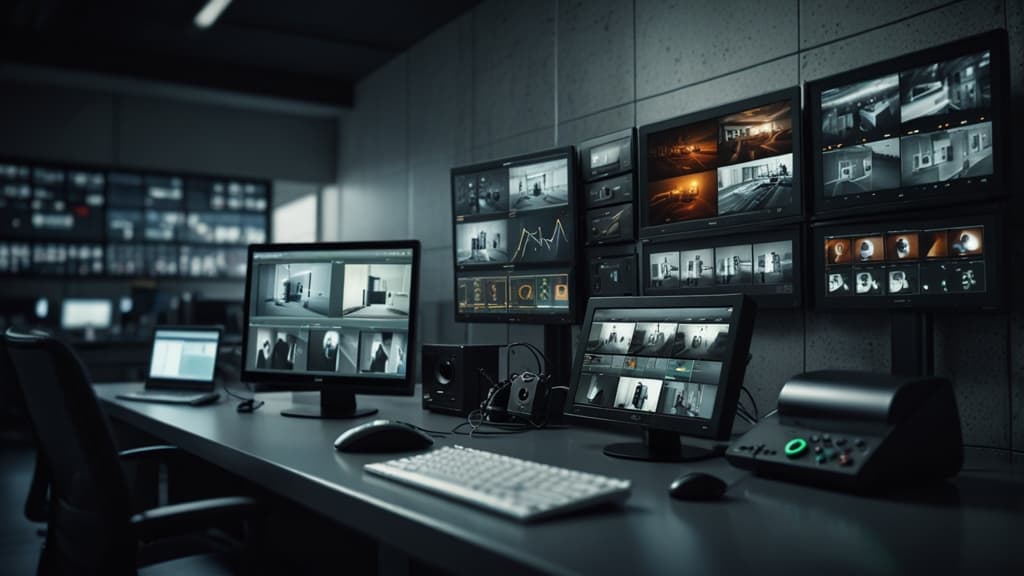
Establishing proper chain of custody protocols begins the moment video footage is captured and continues until presentation in court. Professional investigators understand that even the highest quality surveillance footage becomes worthless if its authenticity can be questioned. The chain of custody documentation must track every person who handled the evidence, when they accessed it, and what actions they performed.
Authentication protocols require investigators to verify recording equipment functionality before surveillance begins. This includes documenting camera specifications, recording settings, and timestamp accuracy. Many professionals use tamper-evident storage devices and create multiple backup copies immediately after collection. Surveillance specialists often employ write-once media or blockchain technology to prevent unauthorized modifications.
Digital forensics experts play a crucial role in validating video authenticity through metadata analysis and file integrity checks. They examine compression artifacts, pixel patterns, and encoding signatures that would reveal editing or manipulation. Courts increasingly rely on this technical evidence to establish footage credibility, making professional authentication essential for legal proceedings.
Investigators must maintain detailed logs showing storage conditions, access attempts, and transfer procedures. Temperature fluctuations, magnetic interference, or improper handling can compromise digital evidence integrity. Advanced surveillance techniques now include real-time encryption and cloud-based storage with automatic audit trails. These technological safeguards help ensure video evidence meets stringent legal standards while protecting against challenges from opposing counsel who might question the footage's authenticity or completeness.
Common Challenges and Defense Strategies Against Video Evidence
Defense attorneys employ several strategies to challenge video evidence, often targeting technical vulnerabilities and procedural gaps. Authentication challenges represent the most common approach, where defense teams question whether footage has been altered, edited, or manipulated. They may demand detailed technical documentation about recording equipment, storage methods, and any digital processing that occurred between capture and courtroom presentation.
Quality and context issues frequently undermine video evidence effectiveness. Blurry footage, poor lighting conditions, or limited camera angles create reasonable doubt about what actually occurred. Defense teams often argue that surveillance captures only partial events, missing crucial moments before or after the recorded incident. Digital forensics experts may testify about compression artifacts, timestamp inconsistencies, or metadata discrepancies that cast doubt on evidence integrity.
Privacy violations and illegal collection methods provide another defense avenue. If surveillance investigators obtained footage through unauthorized means or violated reasonable expectation of privacy laws, courts may exclude the evidence entirely. Defense attorneys scrutinize whether proper consent was obtained for private property recordings or if law enforcement followed constitutional requirements for public surveillance.
Chain of custody challenges focus on documentation gaps between evidence collection and trial presentation. Missing signatures, unclear transfer records, or unsecured storage periods can invalidate otherwise compelling footage. Professional investigators using specialized equipment must maintain meticulous documentation to withstand these challenges, as even minor procedural errors can result in evidence exclusion and case dismissal.
Privacy Laws and Ethical Collection Standards
Video surveillance collection operates within a complex framework of privacy laws that vary significantly by jurisdiction. Federal wiretapping laws generally prohibit recording conversations without consent, but visual surveillance in public spaces typically remains permissible. State laws add another layer of complexity - some require two-party consent for any recording, while others allow single-party consent or have specific exceptions for security purposes.
Private investigators must navigate these regulations carefully when gathering evidence for legal proceedings. Recording individuals in areas where they have a reasonable expectation of privacy, such as private residences or hotel rooms, often requires court orders or specific legal justification. However, surveillance in public parks, sidewalks, or commercial establishments generally falls within acceptable bounds since privacy expectations are diminished in these locations.
Ethical collection standards extend beyond legal compliance to encompass professional responsibility. Surveillance techniques must serve legitimate investigative purposes rather than harassment or intimidation. Professional investigators document their methods, maintain detailed logs of surveillance activities, and ensure their actions align with the scope of their investigation. This includes avoiding excessive or prolonged monitoring that could constitute stalking under local laws.
Modern forensic analysis requires investigators to consider emerging privacy technologies and changing social expectations. Drone surveillance, for instance, faces increasing regulation as lawmakers balance investigative needs with citizen privacy rights. Investigators who follow established ethical guidelines and stay current with evolving privacy legislation protect both their clients' interests and the admissibility of collected evidence in court proceedings.
Frequently Asked Questions
What makes video surveillance evidence admissible in court?
Video surveillance evidence becomes admissible when it meets four key legal criteria: authenticity (proving the footage is genuine and unaltered), relevance (directly relating to the case), proper chain of custody (documented handling from collection to courtroom), and lawful collection methods (obtained without violating privacy rights or constitutional protections). Professional investigators understand these requirements and follow strict protocols to ensure their surveillance footage will hold up under legal scrutiny.
How do private investigators maintain chain of custody for video evidence?
Professional investigators maintain chain of custody through meticulous documentation that tracks every person who handles the video evidence from the moment of collection until it reaches the courtroom. They create detailed logs recording dates, times, locations, and the identity of each person who accesses the footage, while storing original files on secure, tamper-evident media. This systematic approach prevents challenges to the evidence's integrity and ensures its admissibility in legal proceedings.
Can video surveillance be used as evidence in court if recorded in public places?
Video surveillance recorded in public places generally has strong admissibility potential since individuals have no reasonable expectation of privacy in public settings. However, professional investigators must still ensure the recording methods comply with local laws and that the footage meets authentication and chain of custody requirements. The key factor is that public surveillance typically faces fewer legal hurdles than recordings made on private property or in areas where privacy expectations exist.
What are the most common challenges to video surveillance evidence in court?
Defense attorneys typically challenge video evidence on grounds of authenticity (claiming footage was altered or manipulated), improper chain of custody (arguing the evidence was contaminated or mishandled), privacy violations (asserting the recording violated constitutional rights), and relevance (questioning whether the footage actually proves what it claims to show). Experienced investigators anticipate these challenges and build robust documentation to counter such objections before they arise.
How do privacy laws affect the collection of video surveillance evidence?
Privacy laws significantly impact how professional investigators collect video surveillance, requiring them to understand federal wiretapping statutes, state privacy regulations, and local ordinances before beginning any recording operation. Investigators must ensure they're not violating reasonable expectations of privacy, obtaining proper consent when required, and following specific notification requirements that vary by jurisdiction. Failure to comply with these privacy standards can render otherwise valuable evidence inadmissible and potentially expose clients to legal liability.
What authentication methods do investigators use to prove video evidence is genuine?
Professional investigators authenticate video evidence through multiple technical and procedural methods, including maintaining original file metadata, using hash verification to prove files haven't been altered, documenting the recording equipment and settings used, and providing witness testimony about the recording process. They also preserve original storage media and create certified copies following forensic standards to demonstrate the footage's integrity throughout the legal process.
How long does video surveillance evidence need to be preserved for court cases?
Professional investigators typically preserve video surveillance evidence for the entire duration of legal proceedings plus additional time for potential appeals, which can extend several years beyond the initial case resolution. The specific preservation period depends on the type of case, statute of limitations, and client requirements, but experienced investigators generally recommend maintaining original footage and documentation for at least 5-7 years. Proper long-term storage using archival-quality media and regular integrity checks ensures the evidence remains viable throughout extended legal timelines.