
Physical and Technical Surveillance Methods Explained
Professional investigators employ two primary surveillance approaches that form the backbone of covert operations. Physical surveillance involves human operatives discreetly monitoring subjects through direct observation, while technical surveillance leverages advanced equipment to gather intelligence remotely. Understanding these methods helps clients recognize the comprehensive nature of modern investigative work.
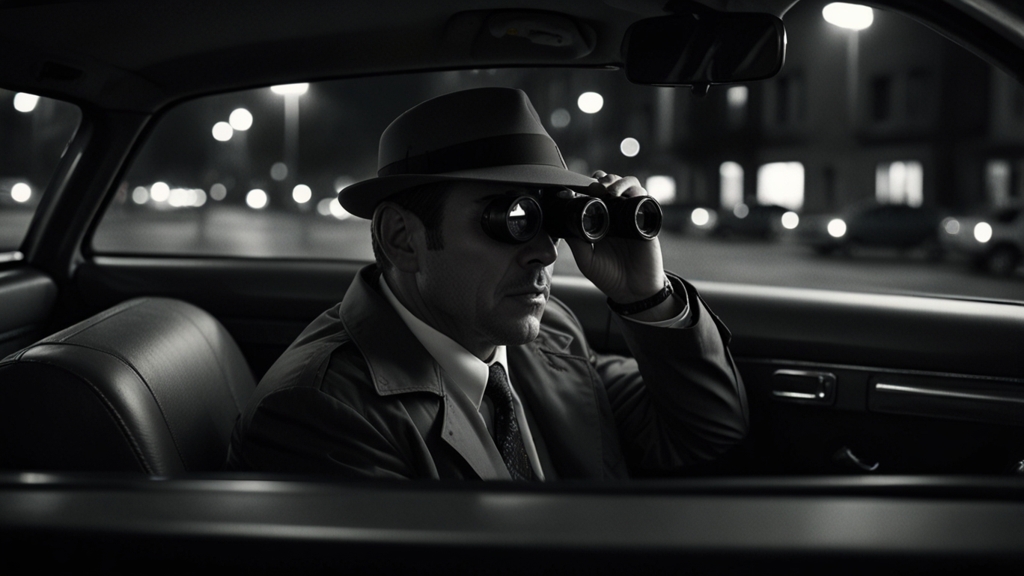
Physical surveillance requires skilled operatives who blend seamlessly into environments while tracking subjects on foot or by vehicle. Investigators position themselves strategically to document activities, meetings, and behavioral patterns without detection. This method proves particularly effective for insurance fraud cases, where operatives might observe a claimant performing activities that contradict their reported injuries. The human element allows for real-time decision-making and adaptation to unexpected situations.
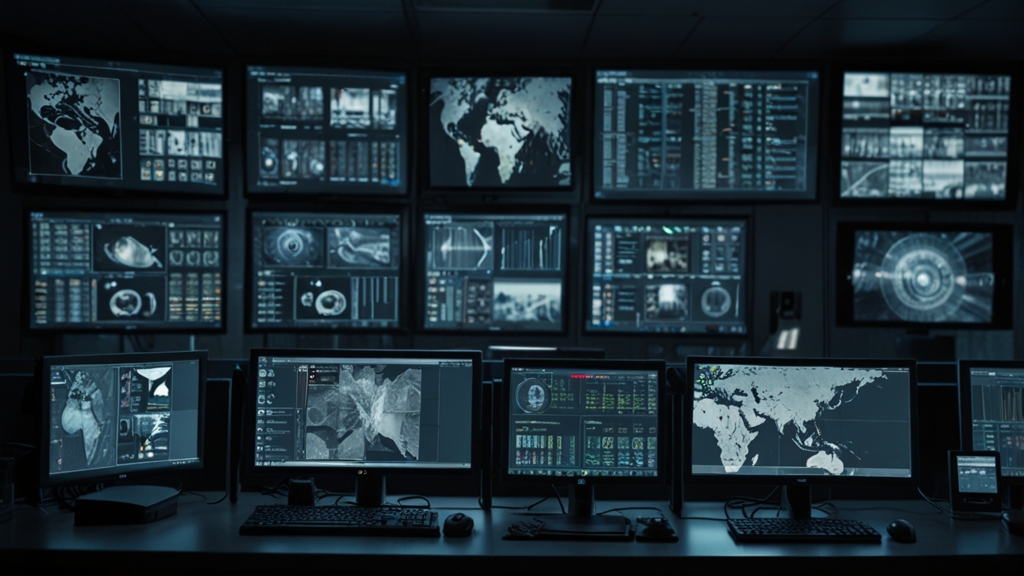
Technical surveillance encompasses hidden cameras, audio recording devices, and GPS tracking systems that operate independently of human presence. Professional services often combine multiple technical tools to create comprehensive monitoring networks. Investigators might install covert cameras in strategic locations or use specialized software to monitor digital activities across various platforms.
Modern investigations increasingly integrate both approaches for maximum effectiveness. A typical covert operation might begin with technical surveillance to establish patterns, followed by physical observation during critical moments. This hybrid methodology ensures investigators capture crucial evidence while maintaining the discretion essential for successful outcomes. The combination provides clients with detailed documentation that stands up to legal scrutiny when needed.
Legal Framework and Authorization Requirements
Covert surveillance operates within strict legal boundaries that vary significantly by jurisdiction and application. Law enforcement agencies must obtain judicial warrants before conducting most forms of electronic surveillance, including wiretapping or GPS tracking. Private investigators face even tighter restrictions, as they cannot legally access the same tools available to police without proper authorization.
The legal framework becomes particularly complex when surveillance crosses property lines or involves recording conversations. Single-party consent states allow recording when one participant agrees, while two-party consent jurisdictions require all parties to know about the recording. Professional investigators must navigate these laws carefully to ensure evidence remains admissible in court proceedings.
Authorization requirements differ dramatically between public and private spaces. Public surveillance generally requires minimal legal justification, but monitoring private property without consent constitutes trespassing and potential invasion of privacy. Corporate investigations need clear employee notification policies and legal grounds for workplace monitoring to avoid liability issues.
Federal regulations add another layer of complexity, particularly regarding digital surveillance and data collection. The Electronic Communications Privacy Act governs electronic surveillance, while state laws often provide additional protections. Modern surveillance practices must comply with both federal and state requirements, making legal consultation essential before beginning any covert operation. Surveillance techniques that seem straightforward can quickly become legally problematic without proper authorization and adherence to established protocols.
Real-World Applications Across Industries and Sectors
Covert surveillance spans numerous industries, each leveraging these discrete monitoring techniques to address specific operational challenges. Private investigators frequently deploy covert methods for insurance companies investigating suspicious workers' compensation claims, where subjects must be observed in their natural environment to verify the legitimacy of reported injuries or disabilities.
Corporate environments represent another significant application area, where businesses employ covert surveillance to detect employee theft, intellectual property breaches, or workplace misconduct. Retail establishments commonly use hidden cameras and undercover security personnel to identify shoplifting patterns and internal theft schemes that cost businesses billions annually.
Law enforcement agencies utilize covert surveillance for organized crime investigations, drug trafficking cases, and counter-terrorism operations. These operations often involve long-term monitoring of suspects' movements, communications, and associations to build comprehensive cases for prosecution.
The financial sector employs covert surveillance techniques to investigate fraud schemes, money laundering operations, and embezzlement cases. Banks and credit institutions monitor suspicious transaction patterns while insurance companies verify claim authenticity through discrete observation of claimants' daily activities.
Domestic applications include matrimonial investigations where spouses suspect infidelity, child custody cases requiring documentation of parental behavior, and missing person searches. Professional investigators use specialized equipment and proven methodologies to gather evidence while maintaining complete discretion throughout these sensitive investigations.
Modern Technology Integration and Digital Monitoring Capabilities
Modern surveillance technology has transformed how private investigators conduct covert operations in 2026. Digital monitoring capabilities now include sophisticated GPS tracking devices that provide real-time location data, high-definition micro cameras that transmit footage wirelessly, and advanced audio recording equipment that captures conversations from considerable distances. These tools enable investigators to gather evidence remotely while maintaining complete discretion.
Drone technology represents a significant advancement in covert surveillance capabilities. Professional investigators deploy small, nearly silent drones equipped with thermal imaging and night vision cameras to monitor subjects across vast areas. These devices can track vehicle movements, document property activities, and capture footage from angles impossible with traditional methods. The integration of automated flight patterns allows for consistent monitoring without human intervention.
Digital forensics and online monitoring have become essential components of modern covert operations. Investigators utilize specialized software to track digital footprints, analyze social media activity, and recover deleted communications. Professional equipment now includes mobile device analyzers that can extract data from smartphones and tablets when legally authorized.
Cloud-based surveillance systems enable investigators to coordinate multiple monitoring points simultaneously. These platforms integrate feeds from various sources - cameras, audio devices, and tracking equipment - into centralized dashboards that provide comprehensive oversight. Advanced systems can automatically flag unusual activities or movements, allowing investigators to focus their attention on the most relevant developments while maintaining continuous surveillance coverage across multiple subjects or locations.
Frequently Asked Questions
What is covert surveillance and how do private investigators use it?
Covert surveillance is a discreet monitoring method where private investigators observe subjects without their knowledge to capture natural, unaltered behavior. Professional investigators employ this technique using hidden cameras, tracking devices, and strategic positioning to gather evidence for cases involving infidelity, insurance fraud, or corporate misconduct. The key advantage lies in obtaining authentic documentation since subjects behave normally when unaware they're being monitored.
Is covert surveillance legal for private investigators to conduct?
Covert surveillance is legal when conducted by licensed private investigators within specific boundaries and with proper authorization. Professionals must operate in public spaces or areas where subjects have no reasonable expectation of privacy, and they cannot trespass on private property or use illegal recording devices. Most reputable investigators ensure compliance with state and federal laws before beginning any surveillance operation.
What technology do private investigators use for hidden monitoring in 2026?
Modern private investigators utilize advanced technology including miniaturized cameras, GPS tracking devices, drone surveillance systems, and sophisticated audio recording equipment. Many professionals now integrate AI-powered analytics and real-time monitoring capabilities to enhance their surveillance effectiveness. However, investigators must ensure all technology used complies with current privacy laws and licensing requirements.
How much does covert surveillance cost when hiring a private investigator?
Covert surveillance costs typically range from $75 to $200 per hour depending on the complexity of the case, location, and technology required. Most private investigators require a minimum number of hours and may charge additional fees for specialized equipment or multiple-day operations. Clients should expect to discuss their budget and objectives upfront to receive an accurate estimate for their specific surveillance needs.
What types of cases require covert surveillance techniques?
Private investigators commonly use covert surveillance for infidelity investigations, insurance fraud cases, child custody disputes, and corporate theft or misconduct cases. Professionals also employ these techniques for background investigations, workers' compensation fraud, and missing person cases. The decision to use covert methods depends on whether overt investigation would compromise the case or fail to produce the necessary evidence.
How long does a typical covert surveillance operation last?
Covert surveillance operations can range from a few hours to several weeks, depending on the case objectives and subject's patterns. Most private investigators recommend starting with 8-16 hours of surveillance to establish behavioral patterns before determining if extended monitoring is necessary. Experienced professionals work with clients to develop realistic timelines based on the specific evidence needed and budget constraints.
What should clients expect during a covert surveillance investigation?
Clients should expect regular updates from their private investigator, including written reports, photographs, and video evidence when available. Professional investigators typically provide detailed logs of the subject's activities, locations visited, and interactions observed during surveillance periods. Most reputable professionals maintain strict confidentiality and deliver comprehensive final reports that can be used in legal proceedings if necessary.