
State Licensing Board Database Search Methods
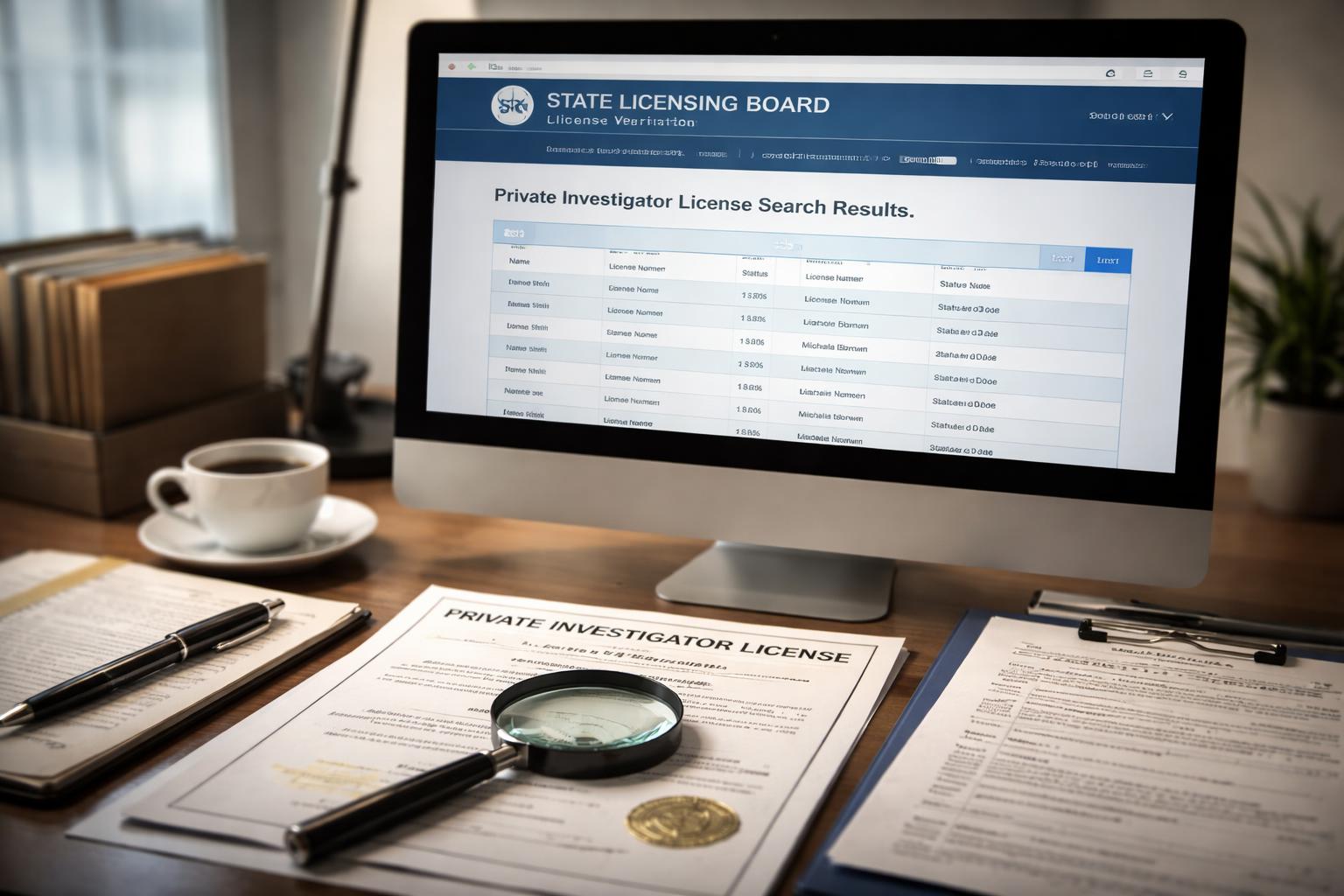
Every state maintains its own database where licensed professionals register, and accessing these systems gives you the most reliable way to confirm credentials. Most state licensing boards now offer free online search tools that let you look up investigators by name, license number, or business registration. You'll typically find these databases on your state's Department of Public Safety, Bureau of Security and Investigative Services, or Division of Professional Registration website.
The search process is straightforward once you locate the right portal. California's BSIS website, for example, allows you to enter a PI's name or license number and immediately see their current status, issue date, and any disciplinary actions. Oregon uses the I.R.I.S. system where you can search by last name or PIID number. When you're wondering how do you verify a PI license, these state-specific databases provide the most authoritative answer available.
Understanding licensing requirements helps you know what to look for during verification. Pay close attention to the license status field—it should read "active" or "current," not "expired" or "suspended." Check the expiration date to ensure the license remains valid for your investigation timeline. Some states like Texas require additional verification if the PI works under a company, so you'll want to confirm both individual and corporate registrations match properly.
If online searches don't yield clear results, contact the licensing board directly by phone or email. Most agencies provide verification assistance at no charge, though some states charge a small fee for written confirmation. This direct approach works especially well when dealing with investigators who recently renewed their credentials or changed business names.
Understanding License Status Classifications and Disciplinary Records
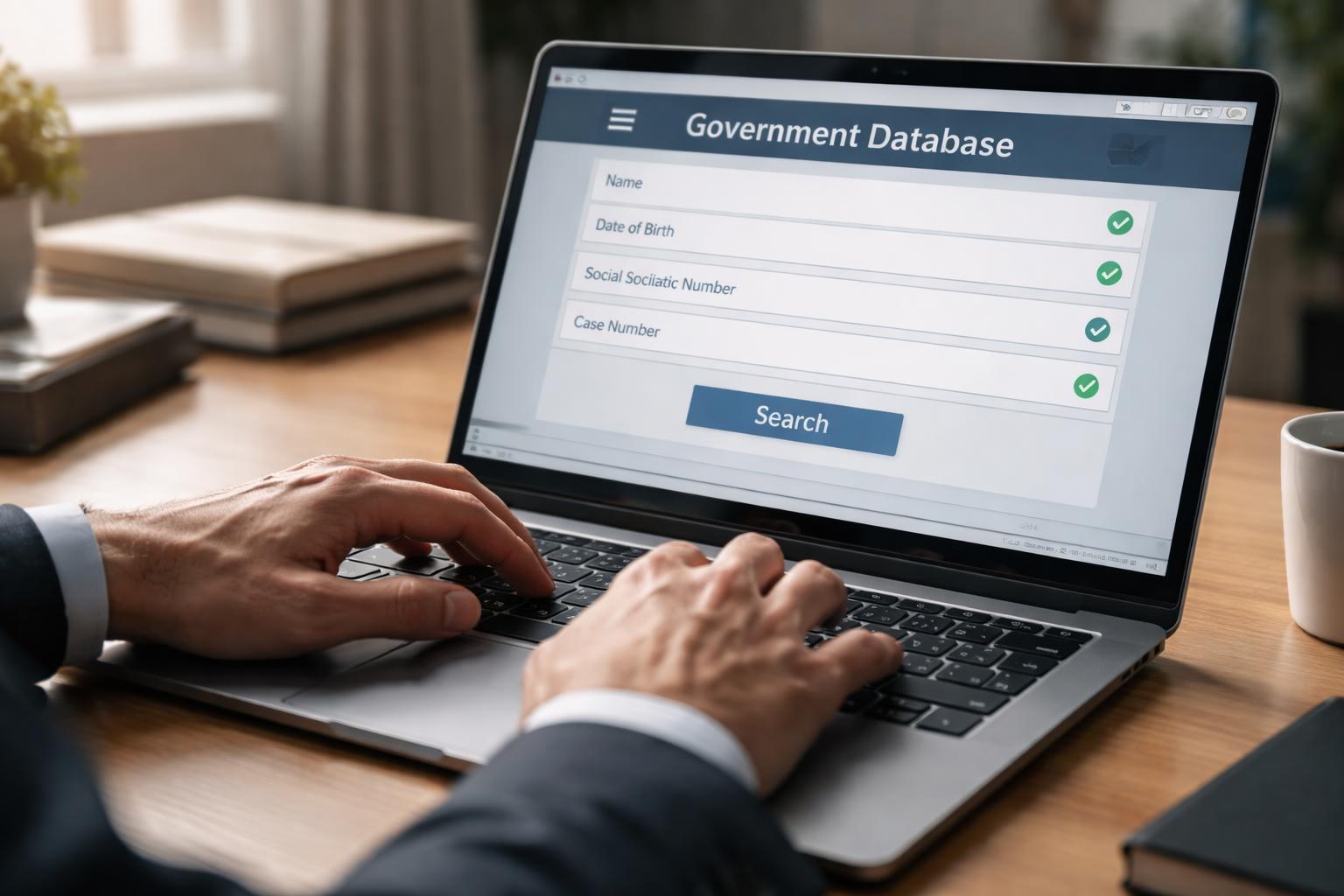
License status classifications reveal critical information about an investigator's current standing with regulatory authorities. When you search a state database, you'll typically see designations like "active," "inactive," "expired," "suspended," or "revoked." An active license means the investigator meets all current requirements and can legally operate. Inactive or expired status indicates they cannot perform investigative work until they renew their credentials.
Disciplinary records provide insight into professional conduct and ethical violations. State licensing boards like those in Arizona maintain public records of complaints, investigations, and sanctions against licensed investigators. You might find violations ranging from minor administrative issues to serious offenses like illegal surveillance or falsifying reports. These records often include the nature of the complaint, investigation findings, and penalties imposed.
Understanding these classifications helps you make informed decisions when you're ready to hire a private investigator. A suspended license typically results from serious violations—operating without insurance, criminal convictions, or unethical business practices. Revoked licenses represent the most severe disciplinary action, permanently barring someone from the profession in that jurisdiction.
Pay attention to the dates associated with any disciplinary actions. A single violation from years ago with no subsequent issues differs significantly from multiple recent complaints. How do you verify a PI license status and disciplinary history? Most state databases display this information directly on the search results page, showing both current status and a complete disciplinary history. Some jurisdictions require you to click through to a detailed profile to see the full record of sanctions or complaints filed against an investigator.

Professional Association Membership Verification
Beyond confirming state credentials, you should check whether an investigator belongs to respected professional organizations that uphold industry standards. Membership in groups like the National Association of Legal Investigators or the World Association of Detectives indicates a commitment to continuing education and ethical practices. These organizations typically require members to maintain active licenses and adhere to strict codes of conduct.
You can verify membership directly through each organization's website, where many maintain public member directories searchable by name or location. The Council of International Investigators, for example, provides an online verification tool that confirms active membership status. State databases may also list professional affiliations alongside license information, giving you a complete picture of credentials.
Professional investigators in the area often display membership certificates in their offices or include credentials on business cards and websites. However, you shouldn't rely solely on these claims. Direct verification takes just minutes and protects you from working with someone who misrepresents their qualifications. When reviewing state-specific licensing requirements, you'll notice that professional associations often exceed minimum legal standards.
Keep in mind that membership alone doesn't guarantee quality service, but it demonstrates an investigator's willingness to submit to peer oversight and maintain current industry knowledge. Organizations like the Association of British Investigators require members to carry professional liability insurance and comply with data protection regulations. This additional layer of accountability gives you confidence that hiring a private investigator who maintains these affiliations means working with someone invested in their professional reputation and client satisfaction.

Insurance Coverage and Bonding Requirements Confirmation
Professional liability insurance protects both you and the investigator during an engagement, making it a critical credential to verify before signing any contract. Most states require PIs to carry errors and omissions insurance with minimum coverage amounts ranging from $100,000 to $1,000,000. You can request a certificate of insurance directly from the investigator, which their insurance provider will issue showing current coverage details, policy limits, and expiration dates.
Bonding requirements add another layer of financial protection to your working relationship. A surety bond guarantees compensation if the investigator violates licensing laws or fails to fulfill contractual obligations. States like California require a $6,000 bond, while Florida mandates $300,000 for investigative agencies. You'll find bond information listed on state licensing databases alongside license status, or you can ask the PI to provide documentation from their bonding company.
Understanding these financial safeguards becomes especially important when you're dealing with sensitive investigations involving substantial assets or legal proceedings. An investigator without proper insurance coverage puts you at risk if their work causes legal complications or damages. When learning how do you verify a PI license, checking insurance and bonding status should happen alongside confirming the license itself—not as an afterthought.
Request copies of both the insurance certificate and bond documentation before any work begins. Verify the documents are current by checking expiration dates and confirming the coverage amounts meet your state's minimum requirements. Legitimate investigators expect these requests and will provide documentation promptly, while those who hesitate or make excuses raise immediate red flags about their professional standing.

Red Flags That Indicate Unlicensed or Fraudulent Investigators
Spotting warning signs early can save you from hiring someone who lacks proper credentials or operates unethically. Legitimate investigators readily provide their license number and state registration details upfront. Anyone who hesitates, makes excuses, or claims they "don't need a license" for your type of case should raise immediate concerns.
Watch for promises that sound too good to be true. Fraudulent operators often guarantee specific results or claim they can access restricted databases that even law enforcement requires warrants to search. Real professionals know that investigations involve variables beyond their control, and they'll never promise outcomes they can't ethically deliver. According to industry standards, legitimate investigators maintain transparent practices and clear ethical boundaries.
Payment requests should follow professional business practices. Be wary of investigators who demand full payment upfront, refuse to provide written contracts, or insist on cash-only transactions. Established professionals typically require a retainer with detailed billing statements that show how your money is spent. They'll also have business addresses, professional email domains, and verifiable phone numbers—not just burner phones or personal Gmail accounts.
Another major red flag involves illegal tactics. If someone suggests hacking into email accounts, installing unauthorized tracking devices, or accessing confidential records without proper authorization, you're dealing with someone who operates outside the law. These practices can compromise your case and expose you to legal liability. Understanding how do you verify a PI license becomes crucial when evaluating whether an investigator follows proper legal protocols and maintains the professional standards required in this field.
Alternative Verification Methods When Online Records Are Unavailable
Sometimes online databases aren't available, especially in states with limited digital infrastructure or when technical issues temporarily block access. When you hit this roadblock, direct phone contact with the state licensing board remains your most reliable option. Call during business hours and have the investigator's full name and license number ready—most boards can verify credentials within minutes over the phone.
Written verification requests work when you need official documentation for court proceedings or corporate records. Send a formal request via email or certified mail to the licensing authority, including the PI's details and your reason for verification. Many states process these requests within 5-10 business days, though some charge $10-25 for certified letters. Understanding the full license renewal process helps you recognize valid documentation when you receive it.
Professional references provide another verification layer when you're trying to figure out how do you verify a PI license through alternative channels. Ask the investigator for contact information of attorneys or corporate clients they've worked with recently. Legitimate private investigators maintain professional relationships and won't hesitate to provide verifiable references from their network.
Local law enforcement agencies sometimes maintain informal knowledge about licensed investigators in their jurisdiction, particularly in smaller communities. While they can't officially verify licenses, they can often confirm whether an investigator operates legitimately in the area. County courthouses also keep records of investigators who've testified as witnesses or filed reports, giving you another verification pathway when digital resources fail you completely.