Surveillance is the backbone of nearly every successful private investigation, and this category breaks down exactly how professional investigators gather the evidence that holds up when it matters most. From covert mobile and foot surveillance to stakeouts, GPS tracking, infidelity and cheating-spouse investigations, insurance fraud and workers' comp cases, and discreet activity checks, our guides explain the tools, tactics, and legal boundaries that separate licensed private investigators from amateurs. Whether you're a client trying to understand what surveillance can (and can't) legally uncover, or an investigator sharpening your fieldcraft, you'll find practical, real-world advice on documenting evidence, staying undetected, choosing the right surveillance equipment, and turning observations into court-admissible reports. Explore the articles below to learn how expert surveillance gets results.
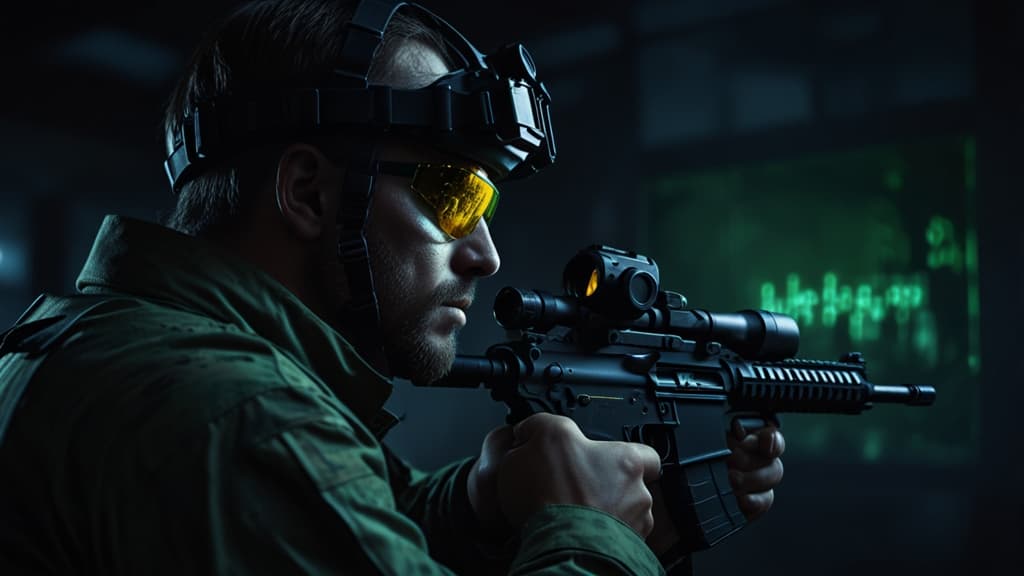
Private investigators capture evidence after dark using night vision optics, thermal imaging, and low-light cameras built to record clearly in near-total darkness. They pair this gear with patient positioning and careful legal documentation. The goal is footage clear enough to hold up in court, not
Private investigator drone surveillance is legal in many cases, but only when it follows FAA flight rules and state privacy laws. Licensed investigators can fly drones over public areas, yet they cannot record people in places where they expect privacy, like a fenced backyard. The legal limits depen
You need a two-person surveillance team when a single investigator cannot safely follow a moving subject without being spotted. Hire two operatives for mobile cases, long hours, or targets who change direction often. One watches while the other repositions, so you lose the subject far less.
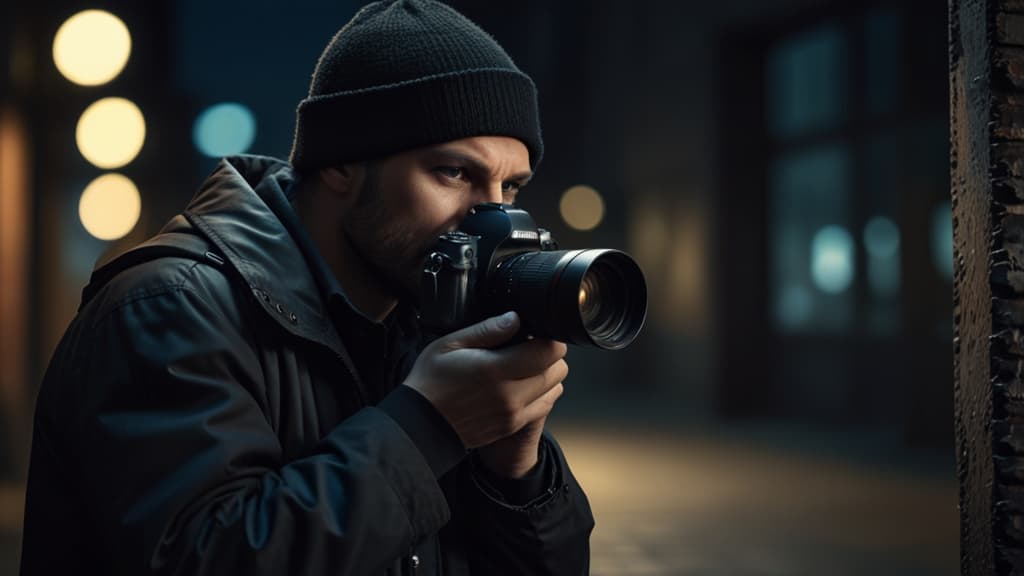
Photo evidence gathered by a private investigator can hold up in court when it is properly dated, documented, and obtained legally. Courts look closely at how the images were captured and whether privacy laws were followed. Clean documentation often decides whether the photos help a case or get toss
Private investigator surveillance usually takes anywhere from a few days to several weeks, depending on the case. Most assignments run in 4 to 8 hour blocks over multiple days until the investigator gathers enough evidence. Simple cases wrap up faster, while complex ones like infidelity or custody c
Private investigators rely on a handful of proven covert surveillance methods to gather evidence without being noticed. These include mobile and foot surveillance, GPS vehicle tracking, fixed stakeouts, and discreet photo documentation. The right approach depends on the subject, the case, and the le
Evidence chain of custody is the documented record that tracks every person who handles a piece of evidence, from the moment a private investigator collects it to the day it reaches court. This unbroken paper trail proves the evidence was never altered or tampered with. Without it, even strong findi
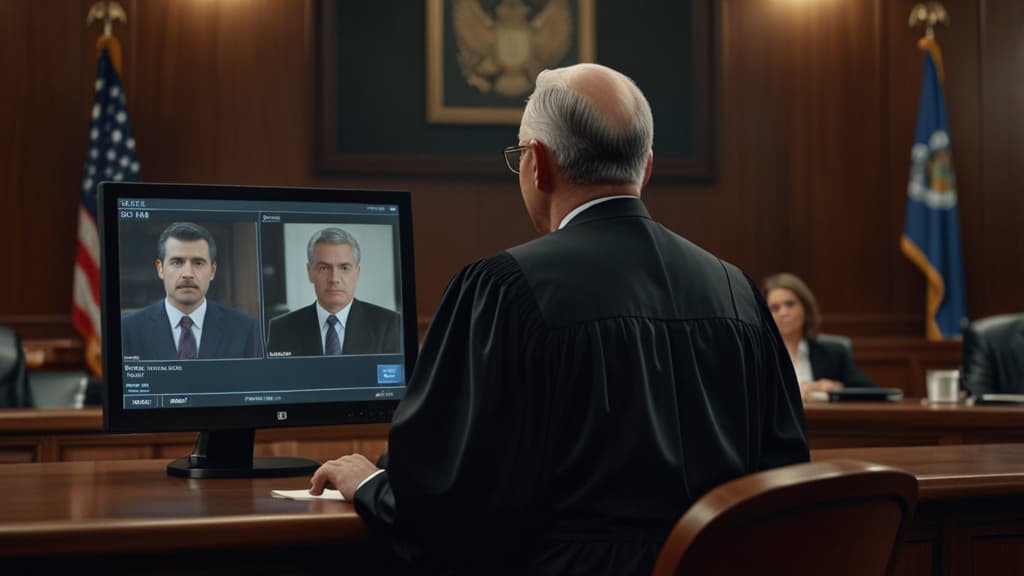
Private investigator video evidence holds up in court when it is lawfully recorded, properly authenticated, and clearly unaltered. Judges look for an unbroken chain of custody, accurate timestamps, and recording that follows state consent laws. Footage that meets these standards becomes strong, admi
Private investigators can legally place a GPS tracker on a car in many situations, but only when they follow state laws and ownership rules. Tracking usually stays legal when the vehicle owner consents or the client owns the car. Hidden tracking on someone else's vehicle often crosses a legal line.
Mobile surveillance is how investigators follow a person on the move, using vehicles, foot work, and tracking tools to stay close without being noticed. Investigators plan routes, switch positions, and document everything they see. The goal is gathering legal, court-ready proof while keeping the sub
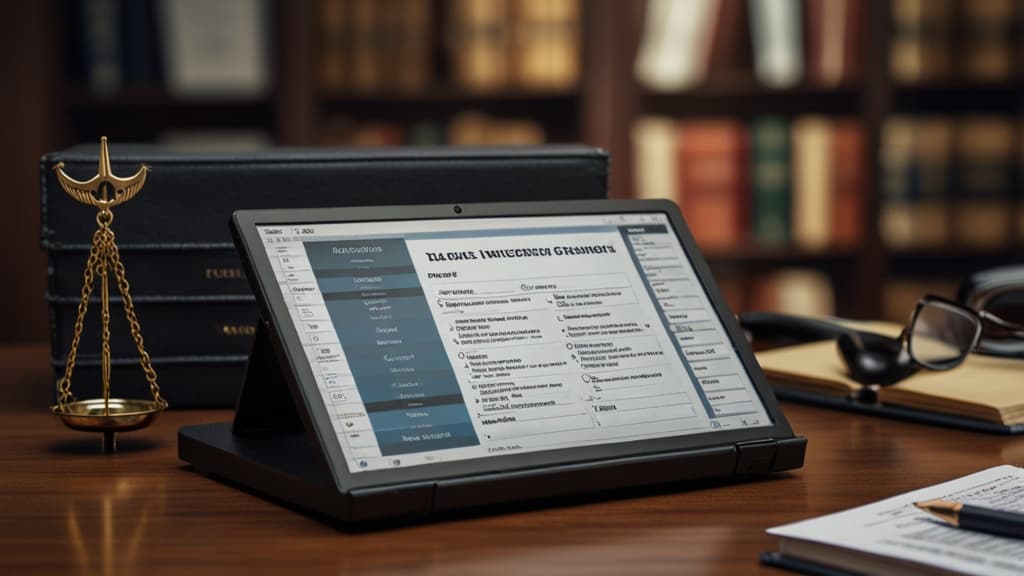
A private investigator's surveillance report documents everything observed during an investigation, including a timestamped activity log, photo and video evidence, location details, and the investigator's written notes. It records who was watched, where, when, and what they did. This report becomes
Private investigators use several core surveillance methods to gather evidence legally and discreetly. These include stationary observation, mobile and vehicle tracking, and digital monitoring tools. Each method fits a different situation, depending on how much the subject moves and what the case ne
GPS tracking regulations for licensed investigators vary significantly by state, with most jurisdictions requiring explicit consent or vehicle ownership before deployment, while violations can result in harassment charges, privacy lawsuits, and criminal penalties up to felony level.
Professional spousal surveillance combines physical tracking, digital monitoring, and financial investigation techniques, with licensed private investigators using GPS devices, social media analysis, and discreet observation to gather court-admissible evidence for clients in approximately 60% of infidelity cases.
Professional night surveillance combines three core technologies—image intensification, thermal imaging, and digital night vision—with tactical deployment strategies that can detect human activity at ranges exceeding 1,000 meters in complete darkness. When you're evaluating surveillance solutions, you'll find that Generation 3 image intensifiers offer the clearest detail recognition, while thermal systems provide the most reliable detection through environmental obstacles like fog and foliage.
Professional surveillance photography combines specialized telephoto lenses, concealed camera systems, and infrared technology to capture admissible evidence from distances of 100-500 feet while maintaining complete discretion. Licensed investigators typically use equipment costing $2,000-15,000 and must follow strict authentication protocols to ensure photographs remain legally valid in court proceedings.
Video surveillance footage becomes admissible court evidence when it meets four critical legal standards: relevance to the case, proven authenticity through chain of custody documentation, sufficient image quality for clear interpretation, and lawful collection that complies with privacy regulations. Professional investigators report that properly authenticated video evidence influences case outcomes in over 85% of proceedings where it's successfully admitted.
Professional surveillance reports contain four essential components: detailed subject observations with timestamps, photographic or video evidence, investigative methodology documentation, and actionable conclusions that typically span 15-25 pages for comprehensive cases.
Surveillance investigators use a comprehensive blend of physical observation methods, digital monitoring technologies, and electronic tracking systems to gather evidence and intelligence. These techniques include static stakeouts, mobile surveillance, GPS tracking, social media analysis, hidden cameras, drone operations, and digital forensics.