Types of Private Investigators

13 articles across 2 categories

Subcategories

GPS Tracking Laws for Private Investigators (2026 Guide)
NearbySpy
5 min read

GPS Tracking Laws for Private Investigators (2026 Guide)

GPS tracking regulations for licensed investigators vary significantly by state, with most jurisdictions requiring explicit consent or vehicle ownership before deployment, while violations can result in harassment charges, privacy lawsuits, and criminal penalties up to felony level.

Read article
How Does Spousal Surveillance Work? Methods & Techniques
NearbySpy
7 min read

How Does Spousal Surveillance Work? Methods & Techniques

Professional spousal surveillance combines physical tracking, digital monitoring, and financial investigation techniques, with licensed private investigators using GPS devices, social media analysis, and discreet observation to gather court-admissible evidence for clients in approximately 60% of infidelity cases.

Read article
Night Surveillance Equipment and Tactics (2026)
NearbySpy
5 min read

Night Surveillance Equipment and Tactics (2026)

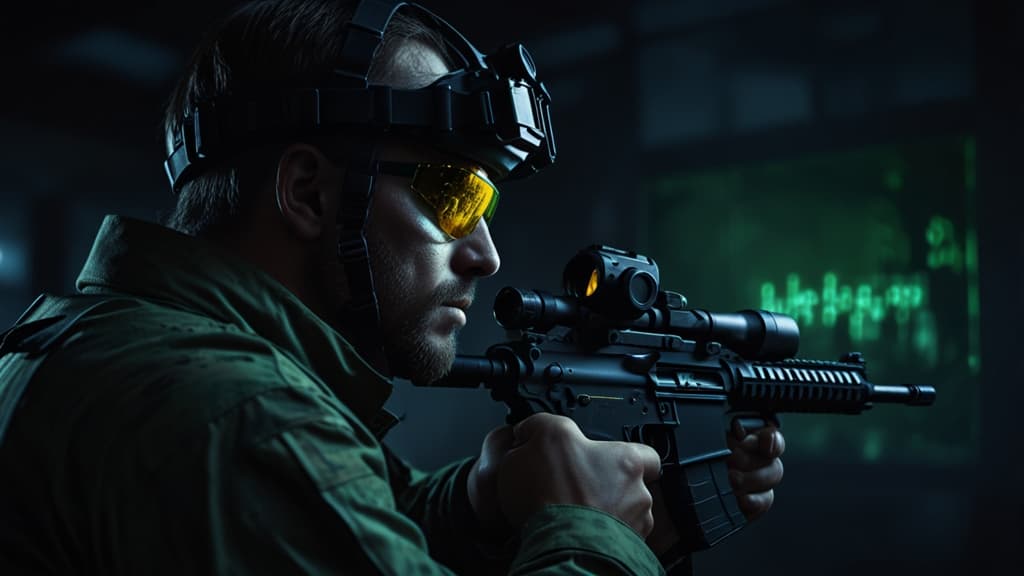
Professional night surveillance combines three core technologies—image intensification, thermal imaging, and digital night vision—with tactical deployment strategies that can detect human activity at ranges exceeding 1,000 meters in complete darkness. When you're evaluating surveillance solutions, you'll find that Generation 3 image intensifiers offer the clearest detail recognition, while thermal systems provide the most reliable detection through environmental obstacles like fog and foliage.

Read article
Photography Techniques for Surveillance Investigations
NearbySpy
8 min read

Photography Techniques for Surveillance Investigations

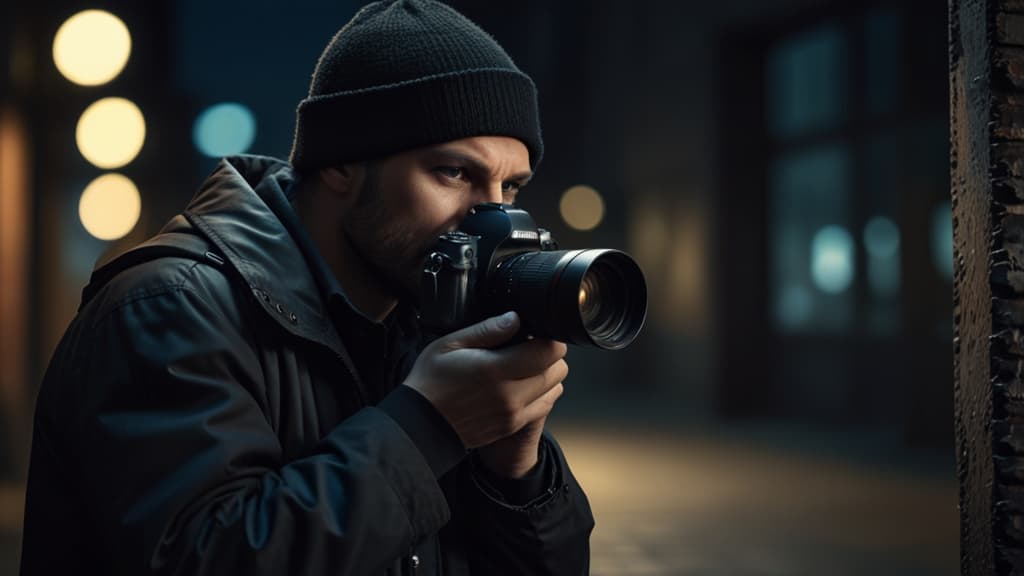
Professional surveillance photography combines specialized telephoto lenses, concealed camera systems, and infrared technology to capture admissible evidence from distances of 100-500 feet while maintaining complete discretion. Licensed investigators typically use equipment costing $2,000-15,000 and must follow strict authentication protocols to ensure photographs remain legally valid in court proceedings.

Read article
Using Video Surveillance as Evidence in Court (2026 Guide)
NearbySpy
8 min read

Using Video Surveillance as Evidence in Court (2026 Guide)

Video surveillance footage becomes admissible court evidence when it meets four critical legal standards: relevance to the case, proven authenticity through chain of custody documentation, sufficient image quality for clear interpretation, and lawful collection that complies with privacy regulations. Professional investigators report that properly authenticated video evidence influences case outcomes in over 85% of proceedings where it's successfully admitted.

Read article
What's Included in a Surveillance Report?
NearbySpy
7 min read

What's Included in a Surveillance Report?

Professional surveillance reports contain four essential components: detailed subject observations with timestamps, photographic or video evidence, investigative methodology documentation, and actionable conclusions that typically span 15-25 pages for comprehensive cases.

Read article
What Techniques Do Surveillance Investigators Use?
NearbySpy
14 min read

What Techniques Do Surveillance Investigators Use?

Surveillance investigators use a comprehensive blend of physical observation methods, digital monitoring technologies, and electronic tracking systems to gather evidence and intelligence. These techniques include static stakeouts, mobile surveillance, GPS tracking, social media analysis, hidden cameras, drone operations, and digital forensics.

Read article